
Quick Overview
This blog includes information about APS full form in medical terms, which stands for antiphospholipid syndrome. It covers the causes, symptoms, diagnostic tests and treatment options for this condition. It also explains how it may affect women’s reproductive health, its association with repeated miscarriages and other pregnancy complications.
Introduction
APS is an autoimmune condition in which the immune system produces antibodies that may increase the risk of blood clots. It may affect the blood flow to different parts of the body and sometimes may lead to serious health conditions.
APS is important in women’s reproductive health as it may be associated with repeated miscarriages and other pregnancy complications. Knowing its causes, symptoms, diagnosis and treatment could help people take medical advice at the right time. Understanding APS full form in medical can help in further treatment.
What Is APS?
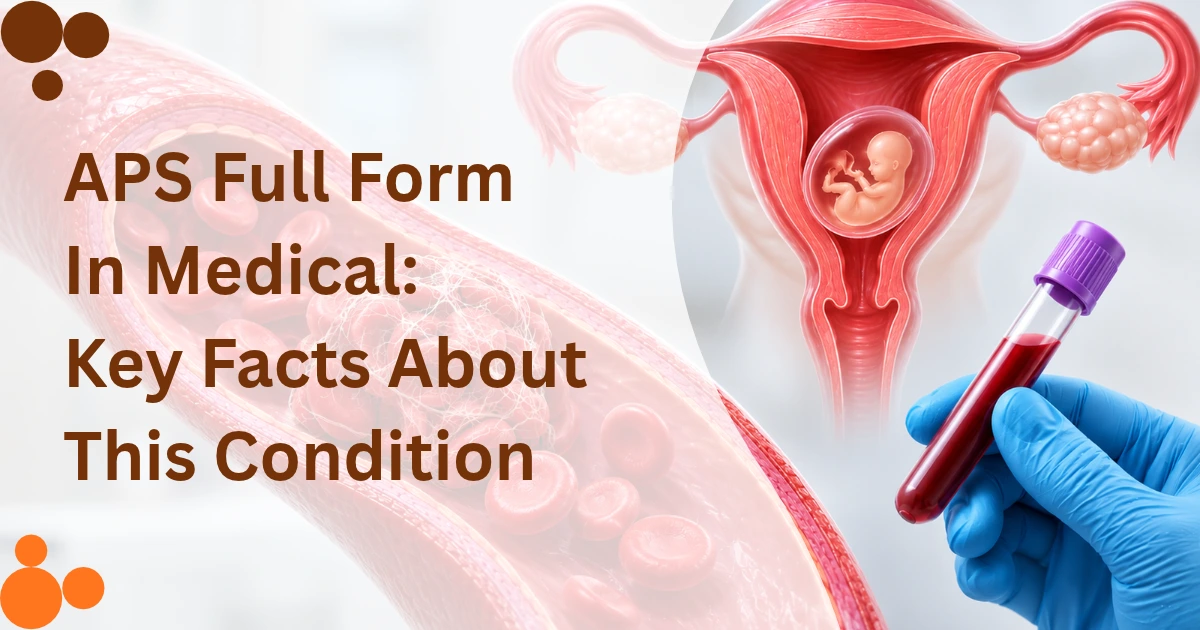
APS full form in medical stands for Antiphospholipid Syndrome. It is an autoimmune disorder that affects the body’s normal blood clotting process. The immune system produces antibodies known as antiphospholipid antibodies which are associated with the increased risk of blood clots.
Blood clots are helpful as they stop bleeding after an injury. However, in people with APS, clots may develop inside blood vessels even when they are not needed. These clots may interfere with veins and arteries and affect the flow of blood.
APS can occur on its own or alongside autoimmune diseases, like lupus. Though having a positive antiphospholipid antibody test does not mean that someone has APS. Doctors consider the person’s medical history, symptoms and laboratory tests before making a diagnosis.
Causes Of APS
There are several causes of APS. Those are:
- Autoimmune activity: The immune system produces antibodies that interact with certain proteins in the body by mistake.
- Additional clotting risk factors: Smoking, prolonged periods of inactivity and some medicines could also increase the risk of blood clots.
- Other autoimmune conditions: People with lupus and other autoimmune disorders may have a higher chance of developing APS.
One must understand that APS does not develop for the same reason in everyone. A doctor can assess risk factors and determine whether further testing is necessary or not. Knowing APS full form in medical standards can help in knowing the cause.
Symptoms of APS
The symptoms of APS depend on where a blood clot develops. Common symptoms include:
- Pain, swelling or warmth in one leg due to possible vein thrombosis
- Sudden shortness of breath or chest pain if a clot affects the lungs
- Weakness, numbness or difficulty in speaking if a clot affects the brain
- A purple or reddish, net-like pattern on the skin, in some cases
- Repeated miscarriages or other pregnancy complications
These symptoms may have multiple causes and do not confirm APS on their own. Sudden chest pain, breathing difficulty, or stroke-like symptoms require immediate emergency medical attention.
Can APS Affect Pregnancy?
APS is an important factor in reproductive health as it may increase the risk of complications during pregnancy. Blood clotting and changes in placental blood flow may affect the developing baby’s and mother’s health.
Some of the possible pregnancy complications include:
- Repeated miscarriages
- Restricted fetal growth
- Premature delivery
- Pregnancy loss at later stages of pregnancy
However, having APS does not mean that a successful pregnancy is impossible. With proper medical care, monitoring and treatment can help in having successful pregnancies.
How Is APS Diagnosed?
APS is diagnosed by reviewing a patient’s medical history, symptoms, and specific blood test results. Your doctor may suggest the following tests:
- Lupus Anticoagulant (LA): It identifies an antibody-related effect on laboratory measurements of blood clotting.
- Anticardiolipin Antibodies (aCL): It checks for antibodies associated with APS.
- Anti-beta-2 Glycoprotein: This test checks for another type of antibody associated with the condition.
Positive antibody results generally need to be confirmed through repeat testing at least 12 weeks apart. Doctors also assess whether the person has experienced relevant blood clots or specific pregnancy complications.
Treatment For APS
There is no permanent cure for APS, but treatment can help in reducing the risk of blood clots and other complications. Common treatment approaches are:
- Pregnancy related treatments: Some pregnant women may be recommended low dose aspirin and heparin under specialist supervision.
- Anticoagulant medicines: Doctors may prescribe blood thinning medicines such as warfarin to reduce the risk of further clots in patients.
- Regular monitoring: Follow up appointments and proper tests help in assessing the treatment effectiveness and look for possible complications.
- Healthy lifestyle: Avoid smoking, stay physically active and reduce longer periods of no movement to help manage other clotting risks.
Treatment is not identical for everyone. Some people with positive antibodies but no previous clotting events may need a different approach from those with confirmed APS and a history of thrombosis.
When To Consult A Doctor?
Consult a doctor if you have experienced repeated miscarriages, previously developed a blood clot, or have symptoms that may raise concerns about APS.
A doctor may recommend testing based on your medical history and risk factors. Early diagnosis and proper treatment can help in reducing the risk of complications. Understanding what APS stands for can help you communicate your concerns to your doctor more clearly.
Seek emergency medical attention if you experience symptoms such as sudden chest pain, difficulty breathing, one sided weakness, or difficulty speaking, as these could indicate a serious blood clot.
If you are looking for the best IVF centre in Karnal, look for the facilities provided by the clinic, which can make it easy for you to choose the perfect clinic for you and give fruitful results.
Conclusion
APS full form in medical stands for Antiphospholipid syndrome, which is associated with an increased risk of blood clots and several pregnancy complications. Though it can affect different parts of the body, timely diagnosis, appropriate treatment and regular medical monitoring can help manage risks.
Anyone experiencing repeated pregnancy loss or a history of unexplained blood clots should discuss their concerns with a doctor. Understanding APS is an important step toward making informed decisions about personal health and pregnancy care.
Book your consultation with Risaa IVF on 9555544421/22/23.
Frequently Asked Questions (FAQs)
- What is APS full form in medical terms?
APS full form in medical terms stands for Antiphospholipid Syndrome, an autoimmune condition that increases the risk of blood clots.
- What are the causes of APS?
APS occurs when the immune system produces antiphospholipid antibodies. Its exact cause is not fully understood.
- Can a woman with APS have a healthy pregnancy?
Yes, women with APS can have a healthy pregnancy with proper treatment and special monitoring.
- Does APS affect fertility?
APS is more strongly associated with pregnancy complications, including recurrent miscarriages, than with directly preventing conception. Individual evaluation may be necessary.
- When to consult a doctor?
You should consult a doctor if you have a history of unexplained blood clots or repeated pregnancy loss. Seek emergency care for sudden chest pain, breathing difficulty, or stroke-like symptoms.
.
