
Quick Overview
This blog includes information about zinc rich foods, which is important for the body and lists best zinc rich foods for veg and non-veg diets. It covers the health benefits of zinc, possible signs of deficiency, common questions about zinc, overall health, etc.
Introduction
Zinc is an important mineral that plays a major role in keeping the body healthy. It supports the immune system, helps wounds heal, supports normal growth and development, and contributes to healthy skin, hair and reproductive functions. As the body does not store large amounts of zinc, it is important to include zinc rich foods in your diet.
A diet containing nuts, seeds, whole grains, dairy products, legumes, eggs and other zinc containing foods can help you meet your nutritional needs. Both vegetarian and non-vegetarian foods can provide zinc, though the amount absorbed by the body may differ depending on the food source.
What Is Zinc And Why Is It Important?
Zinc is a mineral that the body needs in small amounts to perform several important functions. It helps enzymes to work properly and supports several processes such as cell growth, protein production, DNA formation and tissue repair.
It is important for supporting children’s growth, adults maintaining their health and people recovering from injuries. Also, it supports the normal functioning of smell and taste.
The body cannot produce zinc on its own, so it should be obtained from multiple food sources. For most people, consuming a healthy and balanced diet is the best way to meet zinc requirements.
Best Zinc Rich Foods To Include In Your Diet
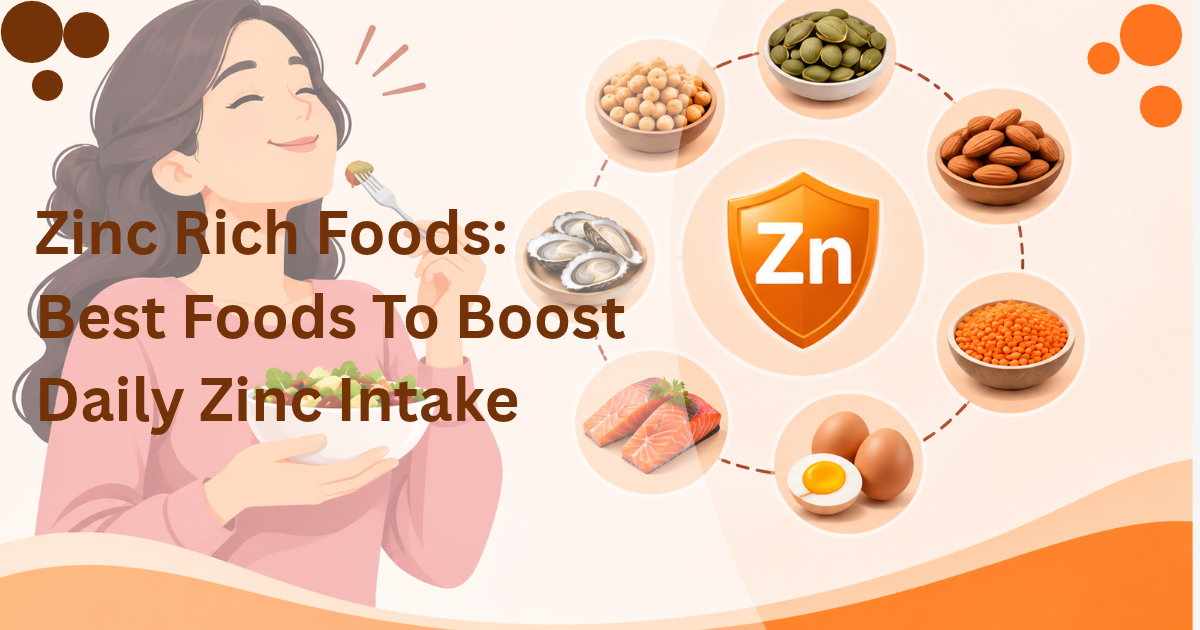
There are several foods that contain zinc. Some of the best sources are:
-
Pumpkin Seeds
Pumpkin seeds are an easy source of zinc. It provides protein, healthy fats, magnesium and other essential nutrients.
You can eat roasted pumpkin seeds as a snack or add them to salads, smoothies, oatmeal, etc. A small serving of it can help boost/support your zinc intake.
-
Lentils and Beans
Lentils, kidney beans, black beans and other legumes provide zinc along with plant protein, iron and fibre.
As these foods are affordable, it is easy to include in your daily meal. Dal, chhole, rajma and salads can help in improving the nutritional quality of your diet.
-
Nuts
Cashew, almonds, peanuts and other nuts also contain varying amounts of zinc. It also provides healthy fats, proteins and other essential minerals.
Cashews are useful as a source of zinc. A small amount of nuts could be useful while eating between meals, or added to khichdi, salads and homemade snacks. Prefer unsalted varieties whenever possible.
-
Whole Grains
Oats, whole wheat, brown rice and some millets contain zinc and other necessary nutrients.
Choosing whole grains over refined grains can also help in increasing the intake of fibre and several vitamins.
-
Dairy Products
Products such as milk, cheese and yogurt provide zinc, calcium and protein. These could be especially useful for those who are vegetarians.
You can also add yogurt to meals, drink milk or include cheese in your diet. The zinc content differs according to the type of dairy product and portion size you are consuming.
-
Eggs
Eggs provide protein, vitamin B12, selenium and a small amount of zinc. They can contribute to your overall zinc intake when included as a part of a balanced diet.
You can add boiled eggs, vegetable omelettes and bhurji in your meal.
-
Meat and Poultry
Chicken, turkey and red meat are good sources of zinc. Zinc from animal food is more readily absorbed than zinc from many plant sources.
Include proper cooked meat or poultry as part of a balanced diet, based on your food choices.
-
Seafoods
Seafood, especially oysters, is among the richest sources of zinc. Foods such as prawns, crabs and some fish also provide zinc in several amounts.
Oysters may contain more zinc than most other foods, although their availability and consumption vary across regions. Seafood should always be handled and cooked safely.
Health Benefits of Zinc
Zinc helps in supporting various essential functions in the body. Some of them are:
- It helps immune cells function normally and contributes to the body’s defense against infections.
- It helps in healing wounds, tissue repair and cell growth.
- Zinc supports normal skin maintenance, and some studies suggest it may help with certain skin conditions like acne, though it is not a guaranteed or standalone treatment
- It promotes growth and development.
- It helps in normal reproductive function and sperm production. But one should also know that zinc rich foods alone cannot treat infertility.
How Much Zinc Intake In Needed?
Zinc daily intake depends on sex, age and life stage. Below are the recommendations:
Adult men- 11 mg
Adult women- 8 mg
Pregnant adults- 11 mg
Breastfeeding adults- 12 mg
Most adults can meet their daily needs through their diet only. Also, one must know that consuming high doses of zinc without medical advice could affect your health.
Signs of Zinc Deficiency
The deficiency of zinc may occur when dietary intake is insufficient or when the body’s requirements increase. Possible signs are:
- Reduced appetite
- Slow wound healing
- Hair loss
- Change in taste or smell
- Skin problems
- Growth difficulties in children
Conclusion
Zinc is an important mineral that supports immunity, growth, wound healing, skin health and normal reproductive functions. Several foods such as pumpkin seeds, lentils, beans, chickpeas, nuts, whole grains, dairy products, eggs, meat and seafoods can help in meeting your daily requirements.
The key is to maintain a varied and balanced diet instead of depending on one food or taking unnecessary supplements. If you suspect zinc deficiency or have a medical condition that affects nutrient absorption, take advice from a doctor.
If you are looking for the best IVF centre in Pilibhit, check for the environment of the clinic, where you can share your problems without any hesitation and you don’t feel judged.
Book your consultation with Risaa IVF on 9555544421/22/23.
Frequently Asked Questions(FAQs)
- Which foods are considered as zinc rich foods?
Foods such as pumpkin seeds, cashews, chickpeas, lentils, dairy products, eggs, meat and seafood are considered as zinc rich foods.
- Which fruit is rich in zinc?
Fruits usually contain small amounts of zinc. Avocados, guavas, and blackberries provide some zinc but are not major sources.
- What are the benefits of zinc?
Zinc supports immunity, wound healing, normal growth, skin health, and reproductive function.
- Does zinc rich foods help in hair growth?
Sufficient zinc supports healthy hair. Correcting a zinc deficiency may help with related hair loss, but excess zinc does not necessarily improve hair growth.
