
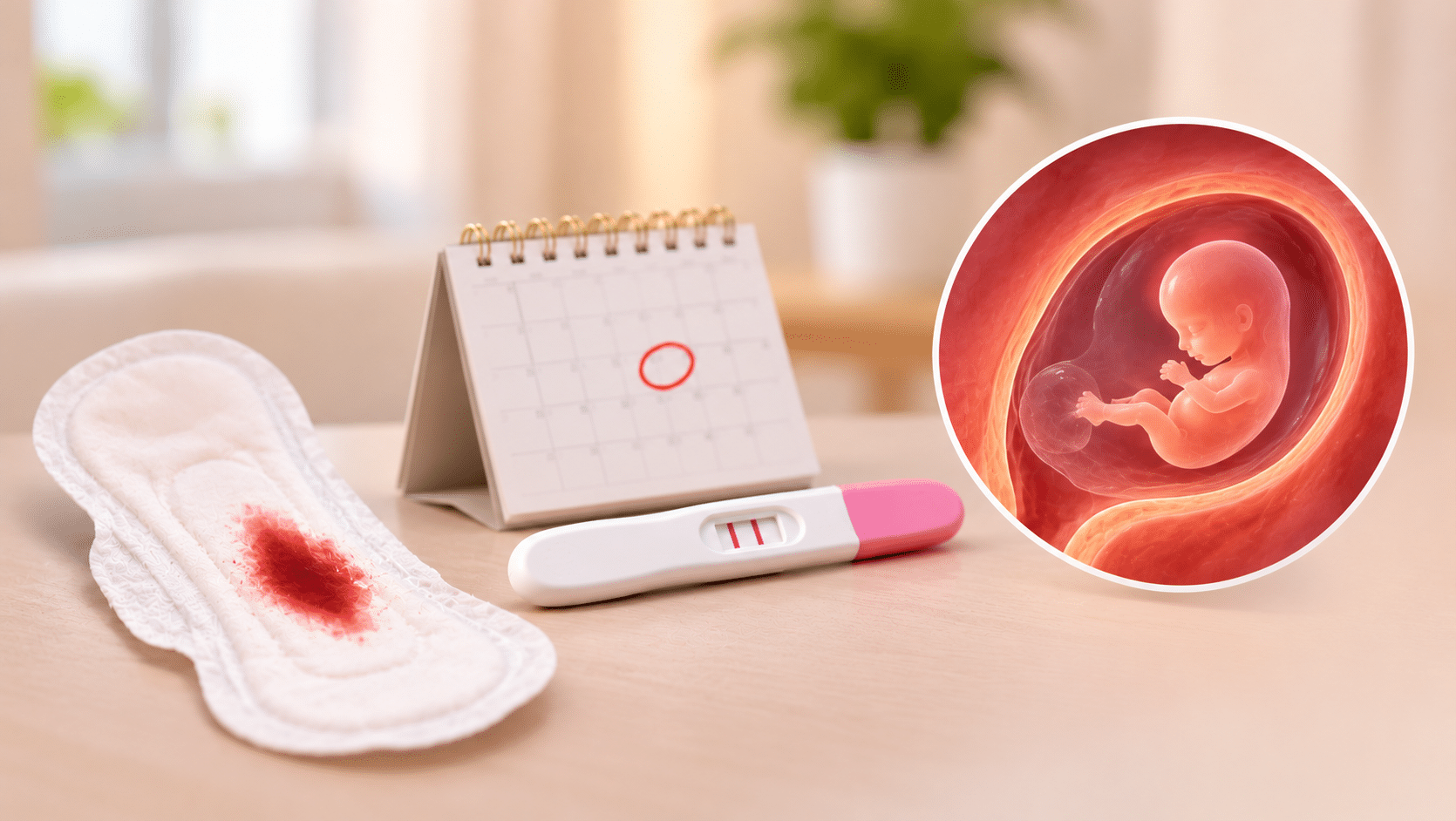
Quick Overview
This blog includes information about bleeding in early pregnancy, which contains its possible causes, symptoms, difference between light spotting and bleeding which may require medical attention. It also covers when to consult a doctor, how doctors evaluate it and steps to protect maternal health.
Introduction
Pregnancy brings joy, excitement, happiness and other new emotions. And it could be a worrying sign for expecting parents if they notice bleeding in early pregnancy. Many wonder if this is normal, if it affects the baby or whether it is a sign of a serious problem.
Bleeding in early pregnancy is quite normal and does not always indicate that there are any pregnancy complications. Some women experience light spotting and have healthy pregnancies, while others might require medical evaluation and treatment. The cause, amount of bleeding, associated symptoms and stage of pregnancy, all play an important role in next steps.
Understanding the possible reasons and when to consult a doctor could help women make proper decisions for their health.
What Does Bleeding In Early Pregnancy Mean?
Bleeding in early pregnancy means the appearance of blood during the first trimester, which covers the first 12 weeks of pregnancy. It may range from a few spots of blood in the underwear or toilet paper to bleeding that is similar to a menstrual period or heavier.
Light spotting may appear pink, brown or red. Brown blood often indicates old blood, while fresh blood might appear bright red. Though the colour of the blood cannot alone determine that the pregnancy is progressing normally or not.
Some women experience bleeding without pain, while others may notice cramps, abdominal discomfort or any other symptoms. As the causes may vary, one should not assume that bleeding is either harmless or automatically a sign of miscarriage.
Causes Of Bleeding In Early Pregnancy
There could be several possible reasons that bleeding occurs during the first trimester. Those are:
-
Implantation Bleeding
Some women experience light spotting around the time a fertilised egg attaches to the uterine lining. This is known as implantation bleeding. It is usually described as light and short lasting, though every woman does not experience it.
However, bleeding alone cannot confirm implantation or establish whether a pregnancy is healthy or not. If the bleeding occurs after a positive pregnancy test, talk to your doctor to clarify the cause.
-
Changes In The Cervix
Hormonal changes increase blood flow to the cervix during pregnancy, making it more sensitive. As a result, light bleeding may occur after sex, a pelvic examination or other contact with the cervix.
This type of bleeding may be minor, but regular or unexplained bleeding should be discussed with the doctor.
-
Infection
Infections involving the urinary tract, vagina or cervix may sometimes cause bleeding or spotting during pregnancy. Some other symptoms may include burning during urination, unusual vaginal discharge, itching, fever or discomfort.
Timely diagnosis is necessary as several infections require treatment during pregnancy.
-
Miscarriage
Bleeding could be a sign of miscarriage, especially when accompanied by abdominal cramps, lower back pain or the passage of tissue. However, bleeding does not always mean that miscarriage is occurring.
Some women experience bleeding in early pregnancy and continue having healthy pregnancies. A medical assessment, which may include ultrasound and blood tests, can help determine what is happening.
-
Ectopic Pregnancy
An ectopic pregnancy occurs when the fertilisation occurs outside the uterus, most probably in the fallopian tube. Vaginal bleeding may occur alongside one-sided abdominal pain, shoulder-tip pain or weakness.
An ectopic pregnancy could become life threatening, if it causes internal bleeding. Severe abdominal pain, fainting or dizziness might require emergency medical attention.
Symptoms To Watch For
The symptoms related to bleeding can provide important information regarding the urgency of the situation. The symptoms are:
- Light spotting or brown discharge
- Bright red bleeding or bleeding similar to period
- Blood clots or passage of tissue
- Fever or unusual vaginal discharge
- Mild abdominal cramps or lower back discomfort
If bleeding is heavy, pain is severe or worsening, one-sided abdominal pain, fainting, shoulder- tip pain, weakness, etc, seek medical care immediately. These symptoms may indicate serious complications, including blood loss or ectopic pregnancy.
How Is Bleeding In Early Pregnancy Diagnosed?
A doctor may recommend several tests depending on the symptoms, pregnancy stage and medical history. Those are:
- Ultrasound Examination: A transvaginal ultrasound may help identify the location of the pregnancy, assess its development and check for certain causes of bleeding. The findings may not provide a definite answer, so multiple scans may be needed.
- Medical History and Examination: The doctor could ask you when the bleeding started, how much blood has been lost, whether pain is present, and date of the last menstrual period.
- Blood Tests: Measurements of human chorionic gonadotropin(hCG), the pregnancy hormone may be taken at intervals to assess the processing of pregnancy. A single hCG cannot always establish the outcome.
The doctor may also recommend urine tests, infection screening or other investigations when suitable.
When To Consult A Doctor?
Do consult your doctor if you experience bleeding in early pregnancy, even if it’s light or painless.
Seek medical emergency care if you experience heavy bleeding, severe abdominal pain, one-sided pain, dizziness or fainting. These could indicate a serious complication which may require medical treatment.
If you are looking for the best IVF centre in Delhi, look for all the required things such as laboratory, doctor’s experience, hospitality, staff behaviour, etc which can make you comfortable and can share your problem without hesitation.
Conclusion
Bleeding in early pregnancy could be frightening, but it does not always mean that something is wrong. It may occur for minor reasons but it can also indicate some conditions that might need medical attention. The amount of bleeding, symptoms, and the stage of pregnancy help in guiding the evaluation.
If you experience bleeding, consult your doctor for personalized advice. Don’t ignore warning signs or depend on the colour of the blood only to judge the seriousness of the situation. Timely assessment can help identify the cause and determine the safest next steps for your health.
Book your consultation with Risaa IVF on 9555544421/22/23.
Frequently Asked Questions(FAQs)
- Is bleeding in early pregnancy normal?
Light bleeding is usually normal during early pregnancy, but you should consult your doctor to identify the cause.
- What are the causes of bleeding during early pregnancy?
Some of the causes are infections, cervical changes, ectopic pregnancy and miscarriage.
- When should I worry about the bleeding?
If you are experiencing heavy bleeding, severe abdominal pain, dizziness or fainting, you should immediately look for medical attention.
- Does bleeding in early pregnancy always mean a miscarriage?
No, bleeding does not always mean that a miscarriage has occurred. Some women may experience bleeding and have healthy pregnancies.
- When to consult a doctor?
You should see a doctor if you experience bleeding during early pregnancy. Seek emergency care for heavy bleeding, severe abdominal pain, dizziness, or fainting.
